
Publications


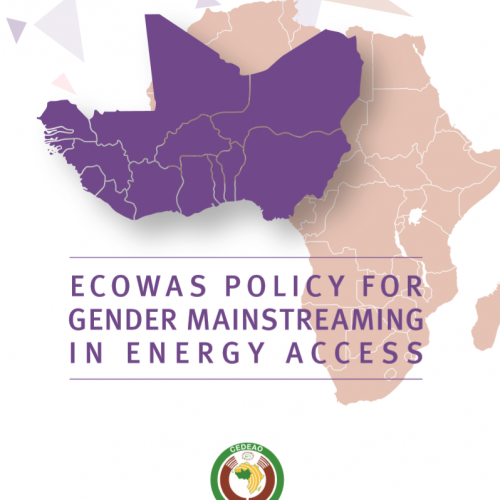
The purpose of the ECOWAS Policy for Gender Mainstreaming in Energy Access is to provide policymakers with instrumental and human rights based indicators and rigorous arguments to align energy interventions with principles of gender equality.
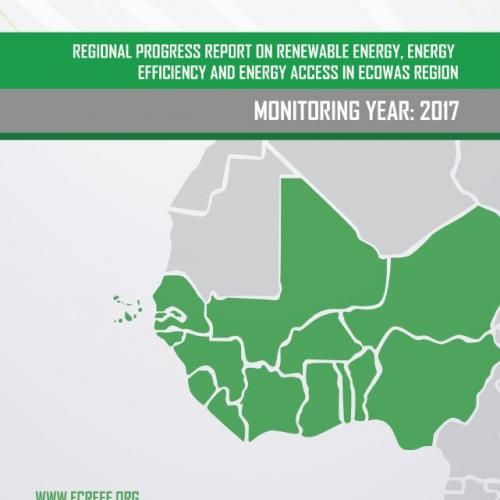
This report is the second regional progress report within the framework of the Regional Monitoring and Reporting for the ECOWAS Renewable Energy and Energy Efficiency policies and the Sustainable Energy Country Action Plans (abbreviated as Regional Monitoring Framework).
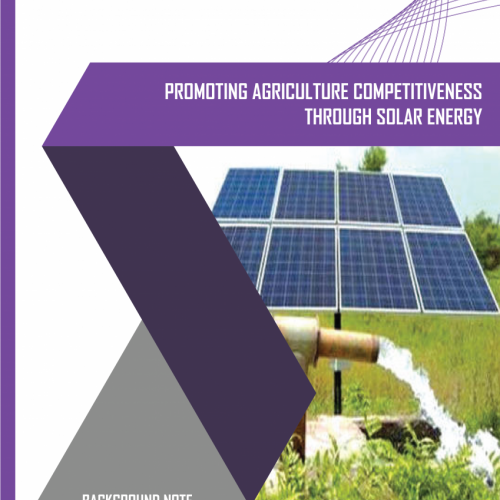
Improvements in infrastructure, access to technology and markets are all key to increasing competitiveness of agriculture in West Africa. Sustainable energy solutions can contribute to these needs throughout the life of the crop: from irrigation to processing for final consumption. Electricity demand from agriculture in Sub-Saharan Africa is expected to double between 2015 and 2030 (World Bank, 2017).
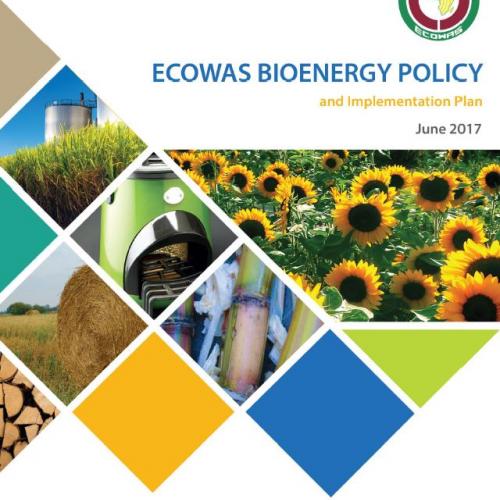
The purpose of this ECOWAS Bioenergy Policy framework is to promote partnership and ownership and to provide guidance to ECOWAS Member States in developing national policies and regulations for sustainable and socially friendly bioenergy policies and implementation plans. It was initiated with a view of providing guidelines to enhance energy security and access without compromising food security or rural development in West Africa, as part of the contribution of the ECOWAS Commission to the SE4ALL initiative.
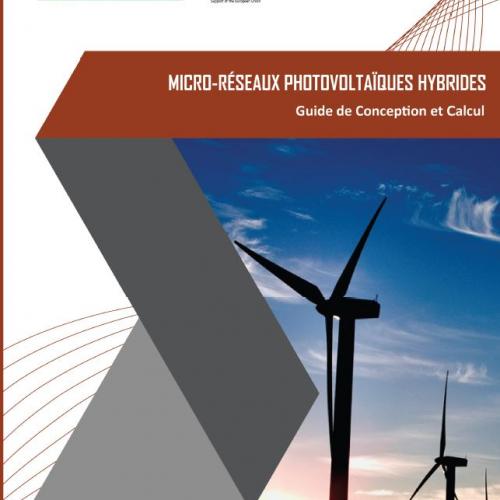
Ce guide vise à donner aux techniciens responsables de la conception de projets d’électrification rurale, des outils et critères pour une première analyse de faisabilité lorsque l‘on considère la possibilité d’utiliser les micro-réseaux photovoltaïques hybrides comme alternative aux systèmes classiques d’extension du réseau ou systèmes basés sur le diesel.
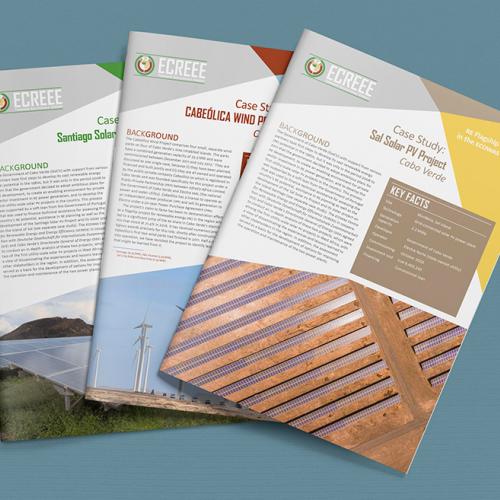
One of the barriers to accelerated market development is the limited level of knowledge and experience with RE technologies as well as with RE project development. To address this gap, ECREEE in cooperation with GIZ embarked on an initiative to document and disseminate the experience with some of the first grid-connected, utility-scale RE projects in the region.

Este artigo tem o propósito de avaliar o comportamento da rede elétrica da ilha da Boa Vista – Cabo Verde com a penetração de energia renovável, tendo em conta todas as contingências da arquitetura da rede elétrica atual dentro do panorama de penetração de 50% de energia renovável até 2020.
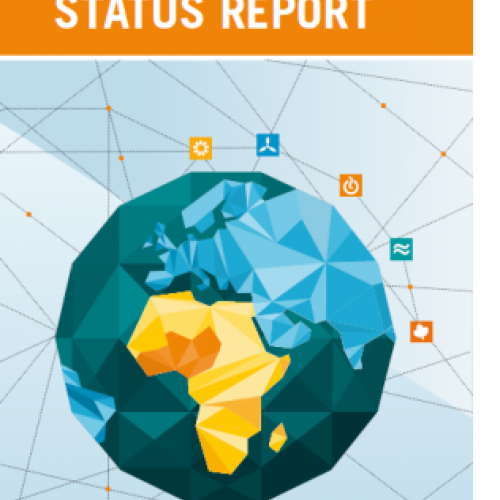
The ECOWAS Renewable Energy and Energy Efficiency Status Report, produced collaboratively by REN21 and ECREEE, provides a regional perspective on the renewable energy and energy efficiency market and industry development in West Africa.
Launched November 10, 2014, the report concludes that renewable energy and energy efficiency technologies have rapidly become cost effective solutions for overcoming the diverse array of energy challenges currently facing the ECOWAS region.
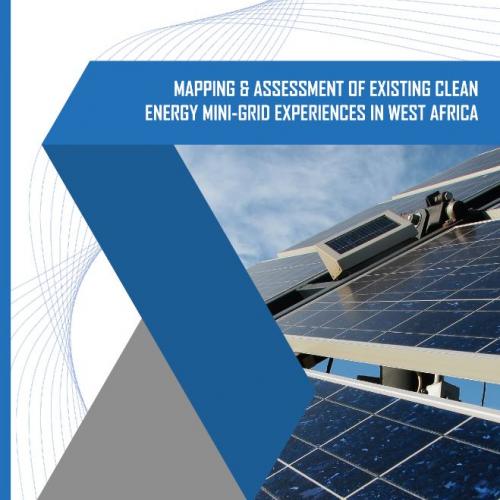
The report “Mapping and Assessment of Existing Clean Energy Mini-Grid Experiences in West Africa” was released at the High-level Workshop on Energy Access in West Africa in Abidjan, Côte d’Ivoire. Among other important issues discussed, the report provides orientation regarding financial schemes, management models and technology to face current energy challenges.
Pages
ECREEE SECRETARIAT
Achada Santo Antonio
Electra Building, 2nd floor
C.P. 288, Praia, Cape Verde
Tel: +238 2604630, +238 2624608
Fax: +238 2624614
E-mail: info(a)ecreee.org
Skype: info-ecreee


Welcome to the website of the ECOWAS Regional Centre for Renewable Energy and Energy Efficiency (ECREEE)